
A shift in the Emergency Room (ER) is a unique experience. So much can happen in minutes, let alone across the shift. If you’re curious about what it’s like, read on to find out how workers spend a day in the ER.
The Calm Before The Storm
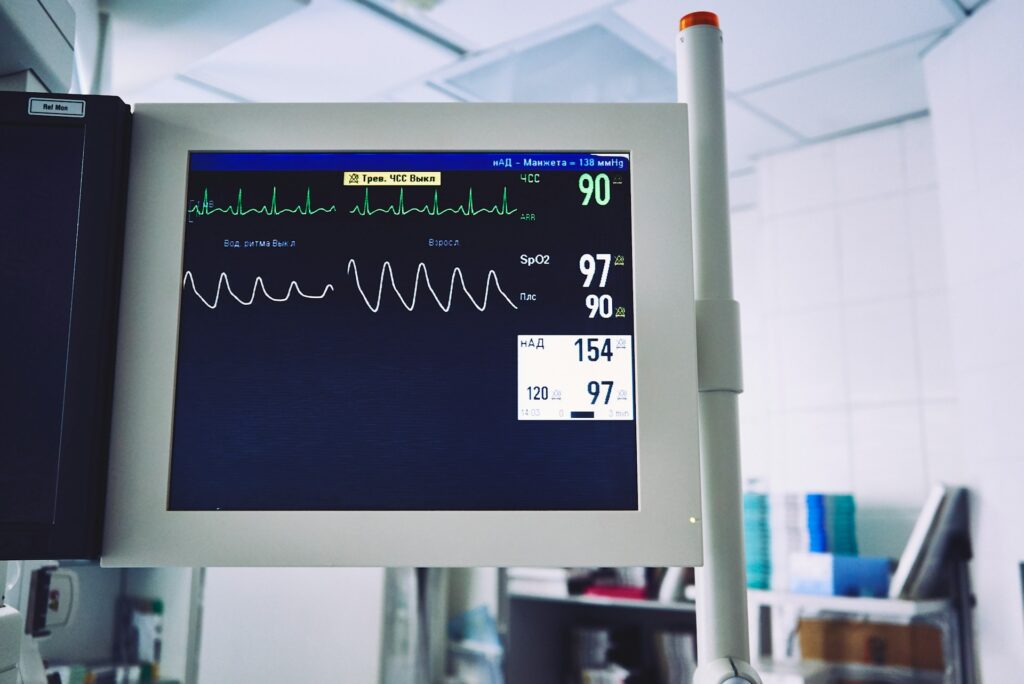
Every ER shift starts with joining the ER for preparation. And we would argue there’s no calm before the storm – depending on the day, the storm is constant. Still, preparation involves reviewing the information of patients and prognosis and consultations.
As a rule, your colleagues in the department will be nurses, doctors, and technical and non-technical workers. Depending on the weather (trust us, the weather matters) or the time of year, you may have a slow morning or a morning you wished had more hours.
When you can, taking quick pauses to gather your thoughts is essential. Hiding in the toilet for two minutes to relax is something you’ll become accustomed to doing.
Handling Triage
The ER is all about triage.
Wherever patients come from – be it by ambulance or walk-ins – you have to evaluate the patients that have come in and decide on the treatment order. There is the adage in the ER that the sickest should be treated first (obviously), and that is true, but that is not always an easy call to make. Many times, you will find yourself in the position of making cutoffs of a person complaining of chest pains versus a child with an arm fracture against a woman presenting with a history of stroke. It’s a constant battle.
The array of problems presented can be as mild as a cut on the arm or as severe as a person in a trauma/traffic accident. One minute, you could be doing a small stitch, and the other, you are running to manage a cardiac arrest. And in whatever situation, decisions have to be made quickly and accurately based on the situation and the people around you. This constant pressure to meet expectations can be exhausting.
Critical Interventions
After triage is complete, you will start treatments.
In the emergency department, interventions that might be seen as extraordinary are routine. CPR, tracheal intubation, and so much more to deal with. There is an adrenaline rush, and time takes on a different flow.
You will also come across patients suffering from acute diseases, like myocardial infarctions or cerebral or lung incapacitation, where a delay of a second can cause irreversible damage. Trust us, this is where you’ll realize working alongside the rest of the team is essential.
The extent of all this will take its toll on your energy. Still, most people love the adrenaline rush of critical interventions and the fast-paced ER.
The Fast-Paced Reality of Working in the ER
The ER is an intense and fast-paced environment where no two shifts are ever the same. Unlike other hospital departments, the ER must respond to a wide variety of medical cases, often with no warning. From minor injuries to life-threatening conditions, ER workers must be ready for anything. This level of unpredictability means that quick thinking, adaptability, and staying calm under pressure are essential qualities.
Throughout a shift, you might find yourself handling a cardiac arrest in one moment and helping someone with a broken arm the next. This continuous change in pace, paired with the urgency of every case, creates a high-pressure atmosphere that’s difficult to replicate in other medical environments. Time feels different in the ER — a few minutes can make the difference between life and death.
For many, this fast-paced setting is exhilarating. The adrenaline rush that comes with handling critical situations keeps the job exciting, and the immediate sense of accomplishment after helping a patient is immensely rewarding. However, it’s also demanding and can lead to burnout if not managed properly. Despite the challenges, many healthcare professionals thrive in this environment, drawn to its dynamic nature.
Balancing Urgency with Care: How the ER Team Functions
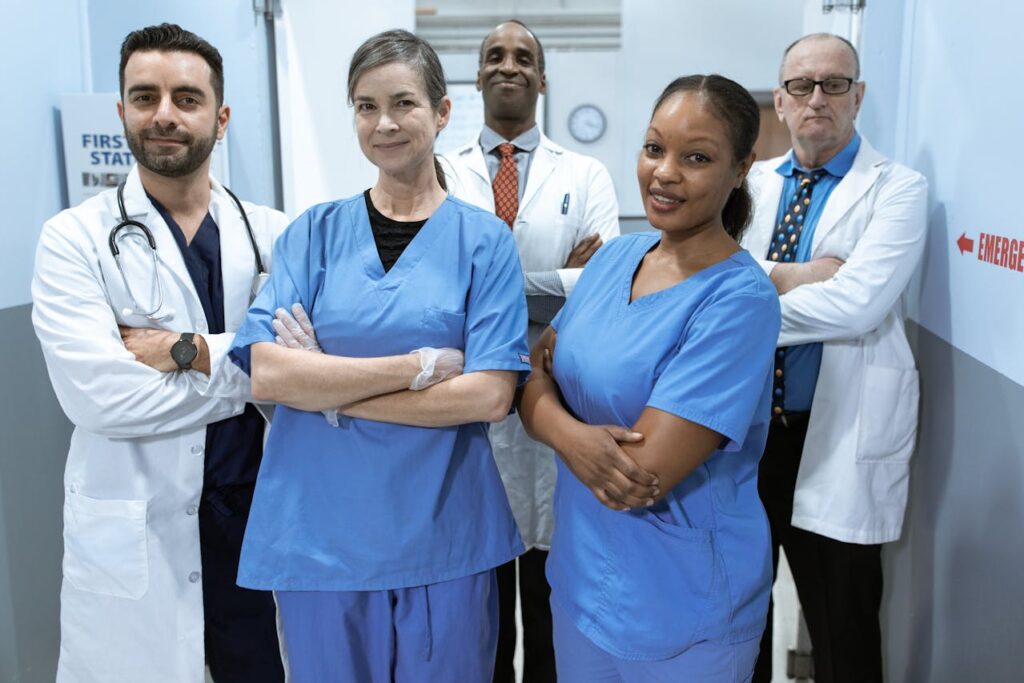
In the ER, balancing urgency with patient care is one of the most crucial aspects of the job. ER teams are composed of a variety of healthcare professionals, including doctors, nurses, paramedics, and technicians, all working together to ensure patients receive the care they need as quickly as possible. Each member of the team has their own responsibilities, but communication and collaboration are key to functioning effectively.
Every second counts in the ER and healthcare providers must make rapid decisions about treatment while still delivering compassionate care. The challenge lies in ensuring that no patient feels neglected, even during the busiest times. Whether it’s delivering life-saving interventions or explaining a procedure to a worried patient, ER workers must balance the urgency of the situation with a human touch.
Effective teamwork is essential. Each member of the ER staff plays a critical role, from initial triage to patient discharge. Nurses and doctors often consult one another quickly to determine the best course of action, ensuring that the right treatments are administered without delay. It’s a constant juggling act of speed and empathy, but when done well, it results in exceptional patient care.
Challenges of Patient Prioritization in the ER
Prioritizing patients in the ER is one of the most complex and challenging aspects of the job. Triage, the process of determining the order of treatment based on the severity of the patient’s condition, is an ongoing process that requires sharp decision-making skills. ER professionals are constantly evaluating incoming patients, and often, there’s no clear-cut answer on who needs attention first.
For example, how do you prioritize a patient with mild chest pain versus a child with a broken bone or a person experiencing a stroke? All three situations are critical, but triage nurses and doctors must make quick decisions that balance the immediacy of care with the available resources. This can be mentally exhausting, as each decision has life-altering consequences.
In addition, external factors like hospital capacity and the time of year can affect patient prioritization. During flu season or a natural disaster, the ER may be flooded with patients, stretching resources to the limit. Physicians and nurses must make tough calls about who receives immediate treatment and who can wait, all while keeping patient safety at the forefront. This process is stressful, but it’s an essential part of working in the ER.
Managing Stress and Fatigue During an ER Shift
The high-intensity nature of the ER often leads to stress and fatigue, making it essential for workers to find ways to manage these pressures. The constant influx of patients, life-or-death decisions, and long hours all contribute to an environment where burnout is common. However, successful ER professionals develop strategies to cope with these stressors while staying effective in their roles.
Taking small breaks, even just a few minutes to step away and breathe can make a significant difference. Some ER staff find quiet moments to re-center themselves, whether that’s in the break room or even hiding in the restroom for a quick pause. These short respites allow the mind and body to recover, even during the busiest shifts.
Additionally, many ER workers rely on their colleagues for emotional support. The shared experiences of ER professionals create a strong bond, with team members often leaning on one another to cope with the stress of the job. Outside of work, physical exercise, meditation, or hobbies that provide relaxation are also essential to maintaining a healthy work-life balance. In the long run, these stress-management techniques are crucial to sustaining a career in such a demanding environment.
Why Teamwork is Essential for Success in the ER
Teamwork is the backbone of any successful ER department. Everyone knows this – from a medical recruiting service to the cleaners. No individual can handle the intensity of an ER shift alone — it requires a coordinated effort from a diverse group of professionals. Doctors, nurses, paramedics, and other healthcare staff must communicate clearly and efficiently to ensure patients receive the best care in the shortest time possible.
Effective teamwork ensures that tasks are divided based on expertise. While doctors may lead the treatment of critical cases, nurses are often the first point of contact, performing triage and administering initial care. Technicians and other staff members play vital roles in supporting the team, handling diagnostic tests, managing equipment, and ensuring everything runs smoothly.
Communication is key in this collaborative environment. Information about patient conditions, medications, and procedures must be shared clearly and quickly. Miscommunication can lead to delays or errors, which is why clear dialogue between team members is crucial. ER teams that function well together create a smoother, faster, and safer experience for patients.
In the ER, the stakes are high, and the clock is always ticking. Strong teamwork and great company culture not only helps manage the chaos but also creates a positive working environment where each team member feels supported and valued. Together, the team can deliver life-saving care under intense pressure.
The ER experience is like no other. It’s a disorganized, fast-paced environment centered on getting people in and out as fast as possible. Does it always go as planned? No. But it’s one of the best departments to work in if you love variety.


 Want to know how your business stacks up against the competition?





0 Comments