
As a small business owner in the UK, managing your energy expenses can be a challenging task. With a complex energy industry and numerous suppliers to choose from, it can be difficult to navigate the process of finding the best energy tariff for your business. This comprehensive guide aims to demystify the world of business energy in the UK, providing you with practical advice on understanding energy pricing, comparing suppliers, and implementing energy-saving measures to reduce your energy usage and bills.

Understanding the UK Energy Industry
The UK energy market consists of various suppliers, each offering a range of tariffs and plans to cater to different business needs. The industry is regulated by the Office of Gas and Electricity Markets (Ofgem), which ensures that suppliers adhere to specific standards and guidelines to protect consumers’ interests.
Energy prices in the UK are influenced by several factors, including global energy markets, government policies, and infrastructure costs. These factors can cause fluctuations in energy prices, making it essential for small business owners to stay informed and regularly review their energy contracts.
Ready to start comparing suppliers? Click here for business energy quotes.
Finding the Best Energy Tariff for Your Small Business
To find the best energy tariff for your small business, you must first understand your energy consumption patterns and requirements. Here are some factors to consider when comparing energy suppliers:
- Type of Contract: There are two main types of energy contracts – fixed-rate and variable-rate. Fixed-rate contracts offer a set price per unit of energy for a specified period, while variable-rate contracts have prices that fluctuate according to market conditions. Fixed-rate contracts can provide more stability and predictability in terms of energy costs, while variable-rate contracts may offer lower prices during periods of low market demand.
- Contract Length: Energy contracts can range from one to five years in length. Longer contracts can provide more price stability, but they may also limit your flexibility to switch suppliers if you find a better deal.
- Payment Options: Different suppliers offer various payment options, such as direct debit, pay-as-you-go, or quarterly billing. Choose a payment method that suits your cash flow and budgeting needs.
- Customer Service: Evaluate the quality of customer service provided by each supplier, as this can have a significant impact on your overall experience. Look for suppliers with dedicated account managers, responsive support teams, and clear communication channels.
- Green Energy Options: If you are committed to reducing your business’s environmental impact, consider suppliers that offer green energy tariffs or those that source a significant portion of their energy from renewable sources.
Energy-Saving Tips and Practices for Small Businesses
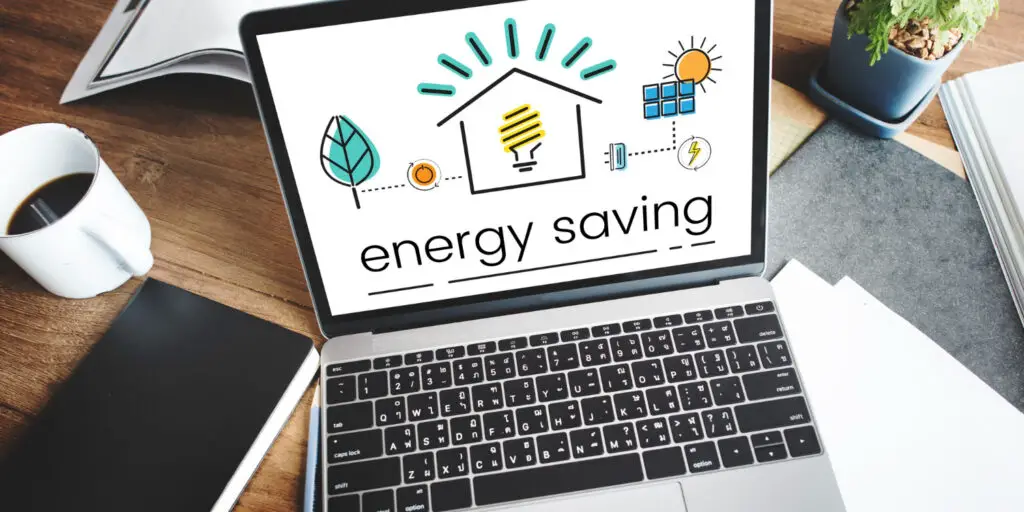
Implementing energy-saving measures can help small businesses reduce their energy usage and bills. Here are some practical and actionable ideas:
- Upgrade to Energy-Efficient Lighting: Replace traditional incandescent or halogen bulbs with energy-efficient LED lights, which consume less energy and have a longer lifespan.
- Optimize Heating and Ventilation Systems: Regularly maintain and clean your heating and ventilation systems to ensure they are running efficiently. Install programmable thermostats to control temperature settings automatically and avoid wasting energy.
- Conduct Regular Energy Audits: Perform regular energy audits to identify areas where energy is being wasted and implement improvements. You can hire a professional energy auditor or use online tools and resources to conduct a self-assessment.
- Invest in Energy-Efficient Equipment: When purchasing new equipment or appliances for your business, look for energy-efficient models with the Energy Saving Trust Recommended logo or the EU Energy Label.
- Educate Employees: Encourage employees to adopt energy-saving habits, such as turning off lights and equipment when not in use, and closing doors and windows to conserve heat.
Debunking Common Business Energy Myths
Small business owners often encounter misconceptions and myths surrounding business energy in the UK. Here are some common myths debunked:
- Switching Suppliers is Complicated and Costly: The process of switching energy suppliers is relatively straightforward and can be completed online or over the phone. Ofgem regulations ensure that there are no hidden fees or penalties for switching suppliers, so you can confidently search for a better deal without worrying about additional costs.
- Renewable Energy is Too Expensive: While green energy tariffs may have been more expensive in the past, technological advancements and increased demand have led to a significant reduction in renewable energy costs. In some cases, green energy tariffs can be competitively priced compared to traditional energy plans.
- All Energy Suppliers are the Same: While it may seem that all energy suppliers offer similar services, there can be significant differences in their pricing, contract terms, customer service, and green energy options. It’s essential to research and compare various suppliers to find the best fit for your business needs.
- Smaller Suppliers are Less Reliable: Smaller or independent energy suppliers are often perceived as less reliable than larger, well-established companies. However, many smaller suppliers have competitive pricing, excellent customer service, and innovative green energy options. Ofgem regulates all suppliers, ensuring that even smaller companies adhere to industry standards and guidelines.
- Energy Efficiency Measures are Too Expensive for Small Businesses: Investing in energy efficiency may seem costly initially, but many measures can result in long-term savings on energy bills. Additionally, there are grants, loans, and tax incentives available in the UK to help small businesses invest in energy-efficient equipment and improvements. By researching financial support options and implementing cost-effective energy-saving measures, small businesses can reduce their energy expenses and enjoy the benefits of improved efficiency.
In conclusion, navigating the complexities of the UK energy industry and managing energy usage are crucial aspects of running a successful small business. By staying informed about the market, comparing suppliers diligently, and debunking common misconceptions, you can make well-informed decisions that benefit both your business’s bottom line and the environment. Moreover, implementing energy-saving measures and promoting a culture of sustainability within your organization can lead to long-term savings and improve your company’s reputation as an environmentally responsible entity. As a small business owner, taking control of your energy management not only contributes to your success but also supports the broader goal of building a more sustainable future for all.


 Want to know how your business stacks up against the competition?




0 Comments