
Secure communication is crucial when interacting with customers online. It ensures that sensitive information, like personal details and financial data, remains protected from unauthorized access.
To achieve secure communication, you can implement various measures, including:
- encryption protocols,
- secure login systems,
- and secure messaging and emailing platforms and security measures.
Using these technologies, you can safeguard customer information and establish trust.
The Risks of Unprotected Customer Interactions
When you don’t have proper protection in place, sensitive information can be exposed to potential risks and vulnerabilities. These risks include unauthorized access to personal data, like credit card numbers and addresses, which can lead to identity theft or financial fraud.
Not only that, but unprotected customer interactions also make your organization vulnerable to malware attacks, phishing scams, and data breaches.
Cybercriminals are constantly finding new ways to exploit vulnerabilities and compromise customer information. If you don’t have the necessary safeguards in place, your customers may lose trust in your organization and look for alternatives that prioritize their security.
Implementing a Robust Security Protocol
To achieve a secure environment for your customer interactions, you need to establish a strong and reliable security protocol. Here are five essential components to consider:
- Encryption is vital in protecting sensitive customer data. By utilizing encryption technology, you can safeguard this information from unauthorized access.
- Implementing multi-factor authentication adds an extra layer of security. This system requires users to provide multiple forms of identification, such as a password and a unique code sent to their mobile device.
- Firewalls play a significant role in monitoring and filtering network traffic. By setting up firewalls, you can prevent unauthorized access to your systems, ensuring the safety of your customer interactions.
- Regular security audits are important for identifying vulnerabilities in your security measures. By conducting routine assessments, you can promptly address any weaknesses and improve your overall security.
- Employee training is key in maintaining data security. Educating your staff on best practices, including how to identify and respond to potential security threats, enhances the overall safety of your customer interactions.
Secure Communication Tools for Enhanced Online Engagement
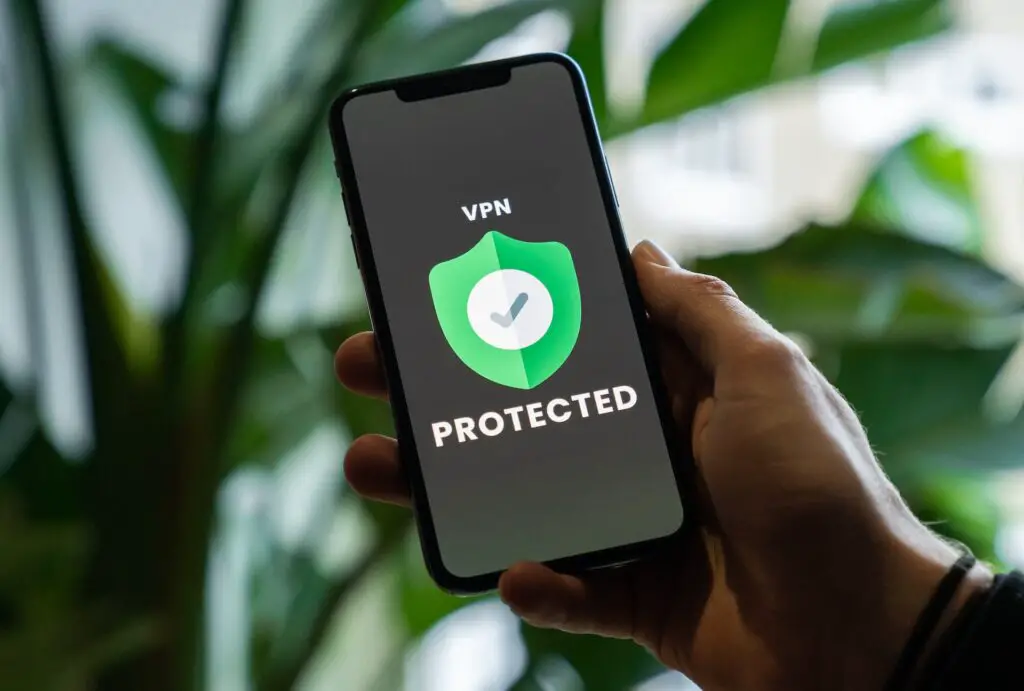
Whether sharing insights or finalizing deals, keeping our online interactions secure is more important than ever. Here’s a quick guide to some key tools that help maintain privacy and safeguard your data.
- End-to-End Encryption: This is like sealing a letter in an envelope that only the person you’re sending it to can open. Your messages are scrambled so that only the person you’re chatting with can read them. That means hackers can’t eavesdrop on your private conversations.
- Multi-Factor Authentication: Think of this as a double-check system. Even if someone gets a hold of your password, they’ll need another key—like a fingerprint or a one-time code sent to your phone—to get into your account.
- Secure File-Sharing: Imagine sending a secret package that only the right person can unlock. These tools ensure that when you send files online, they’re protected all the way to their destination.
- Virtual Private Networks (VPNs): VPNs are like private tunnels through the internet. Having a VPN online installed lets you connect to your office network from anywhere, encrypting what you’re doing so your private work stays private.
- Secure Web Forms: These are like armored drop boxes for your online information. They protect the details you submit, such as passwords or credit card numbers, using strong encryption so that only the intended recipient can see them.
- SSL Encryption: SSL is the security guard for data being sent between your web form and the server. It ensures your sensitive info isn’t intercepted.
- Input Validation: This is a bit like a bouncer checking IDs. It makes sure the data you enter into web forms is what it should be, helping to block out viruses and hacks.
- CAPTCHA: Ever prove you’re human by picking out traffic lights in a photo? That’s CAPTCHA. It stops automated programs from spamming or hacking through forms.
And when it comes to emailing, one of the most common online activities, we have:
- Encrypted Email: With PGP or S/MIME, your email messages are coded in a way that only the person you’re sending to can understand, like whispering a secret that only one friend knows.
- Secure Email Gateways: These act as filters, keeping harmful emails like spam or phishing scams out of your inbox.
- Data Loss Prevention (DLP): This is like having a watchful guardian who makes sure sensitive information isn’t accidentally sent out in your emails. They’re on the lookout so that confidential stuff doesn’t slip through.
By combining these tools, you’re setting up a strong defense to keep your online engagements secure and your data protected against prying eyes and cyber threats, including implementing air gap security for critical infrastructure.
Trust-Building Strategies for Online Platforms
Trust is the foundation of strong customer relationships and fosters loyalty and repeat business. To build trust, brands and businesses can implement various strategies.
1. Transparency
Provide clear and concise information about your platform’s security measures, privacy policy, and data protection practices. This helps customers understand how their information is handled and builds confidence in your platform. Display trust symbols and certifications prominently on your website to reassure customers of your commitment to their security.
2. Regular communication
Address any concerns or questions from customers promptly and honestly. Actively collect and respond to feedback, showing your dedication to improving the customer experience.
3. Robust security measures
Safeguarding customer data and protecting against cyber threats is essential for maintaining trust. Strong security measures create a safe and reliable online environment for your customers.
Conclusion: Safeguarding Customer Trust in the Digital Age
With the increasing reliance on online transactions and interactions, customers place great importance on their privacy and security.
You need to implement strong security measures and encryption protocols, you not only protect sensitive customer information but also demonstrate your commitment to their privacy and trust.
To build and maintain trust, it’s essential to provide clear and transparent communication about how you handle data.
Invest in secure communication channels, so you can reassure customers that their information is being protected. Update your security systems and stay ahead of emerging threats to prevent potential breaches and ensure the security of customer data.


 Want to know how your business stacks up against the competition?





0 Comments